|
Lucien Rosengart (1938-1976), the man who would build the French copy of the English Austin Seven, had an engineering career long before his name appeared on a motor car's radiator. Born in Paris on 11 January 1881, he showed an early aptitude for mechanics and, by 1903, at 22, had opened a small workshop in Belleville, manufacturing bolts and washers and developing a special screw for railway use. The business grew rapidly and, by 1909, he reportedly employed sixty workers, and his inventions would eventually earn more than 120 patents.
As with so many other engineering companies, the First World War (1924 to 1918) brought a considerable expansion to his enterprise. In 1914, Rosengart developed an artillery fuse intended to make shells burst in mid-air, and French government support enabled him to establish a 10,000-square-metre factory in Paris and another 30,000-square-metre factory in Saint-Brieuc.
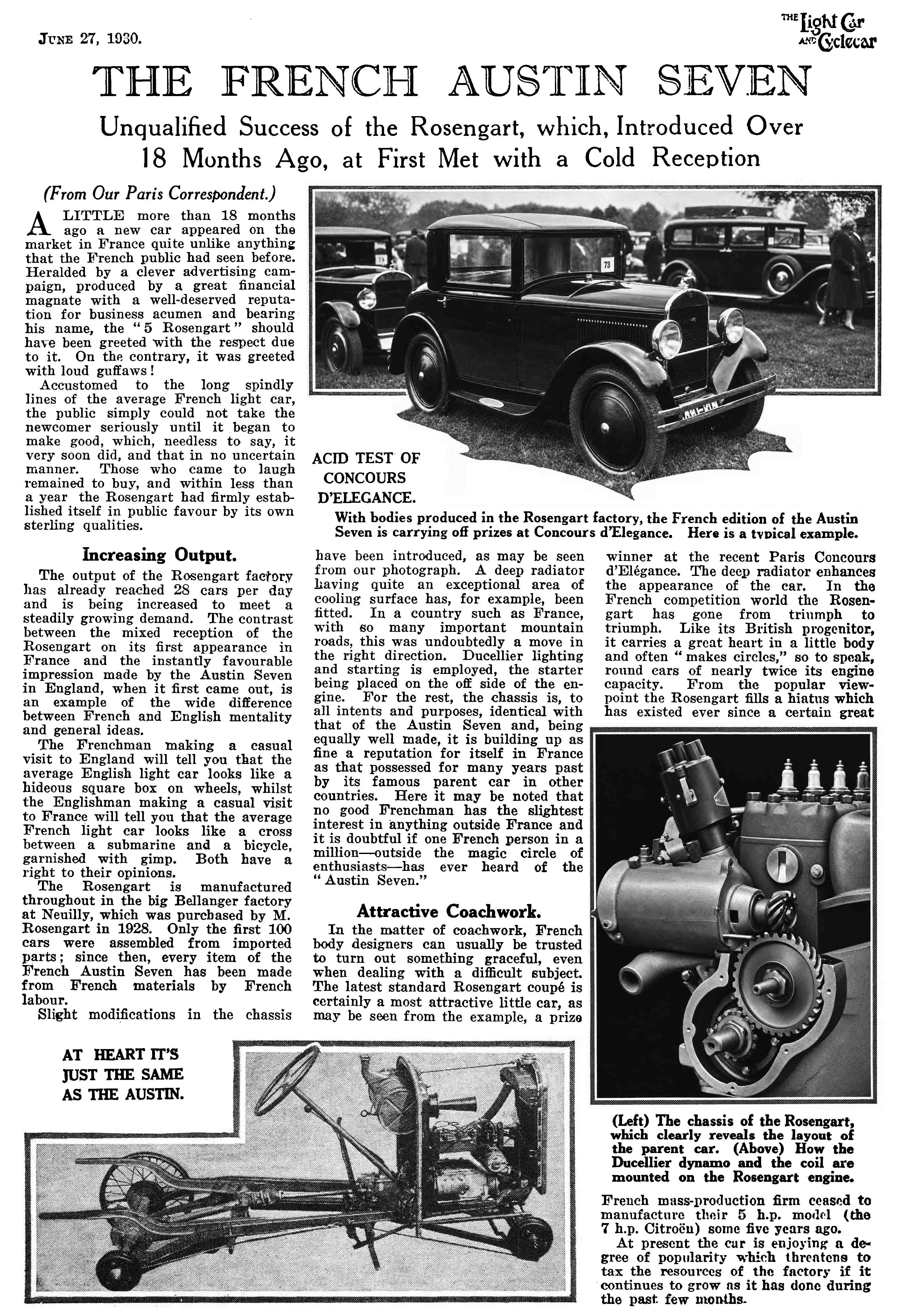
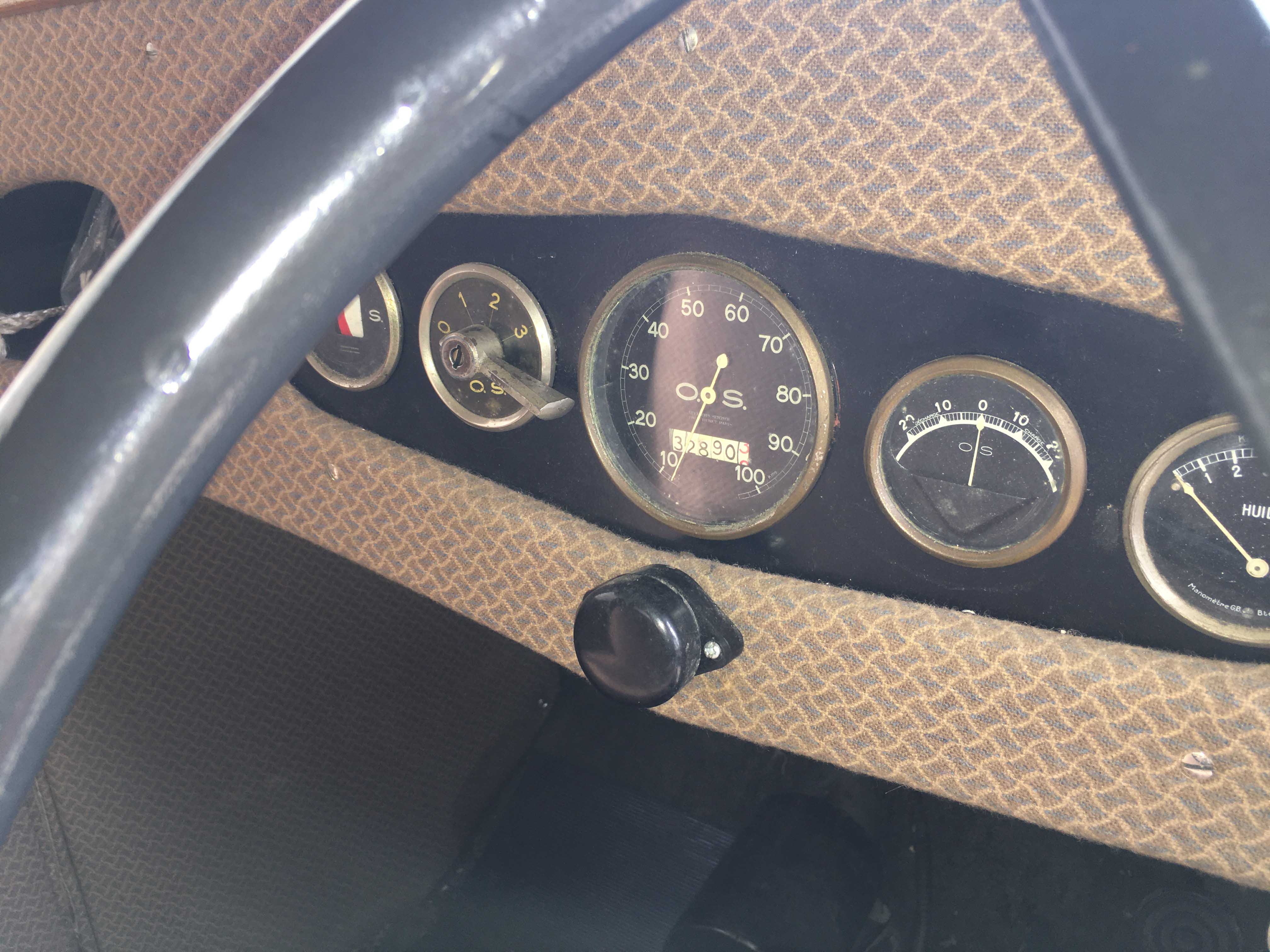
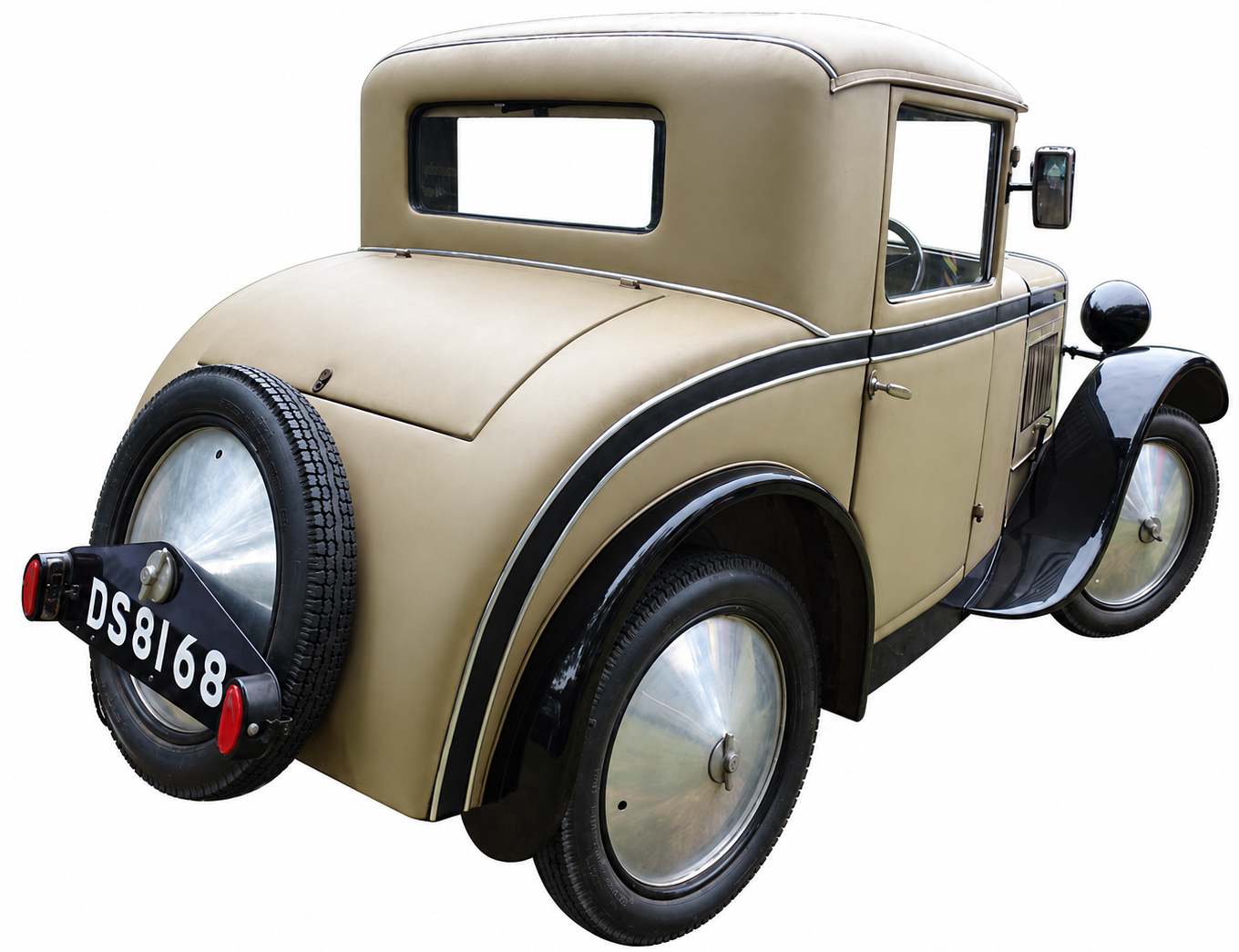
Rosengart's car factory was situated on the Boulevard de Dixmude in Neuilly-sur-Seine, a western suburb of Paris. Production of the French version of the Austin Seven had begun, in 1927, with the supply of 100 CKD kits from England, the same arrangement having been made by Austin early in the same year for the manufacture of the Seven as the German Dixi.
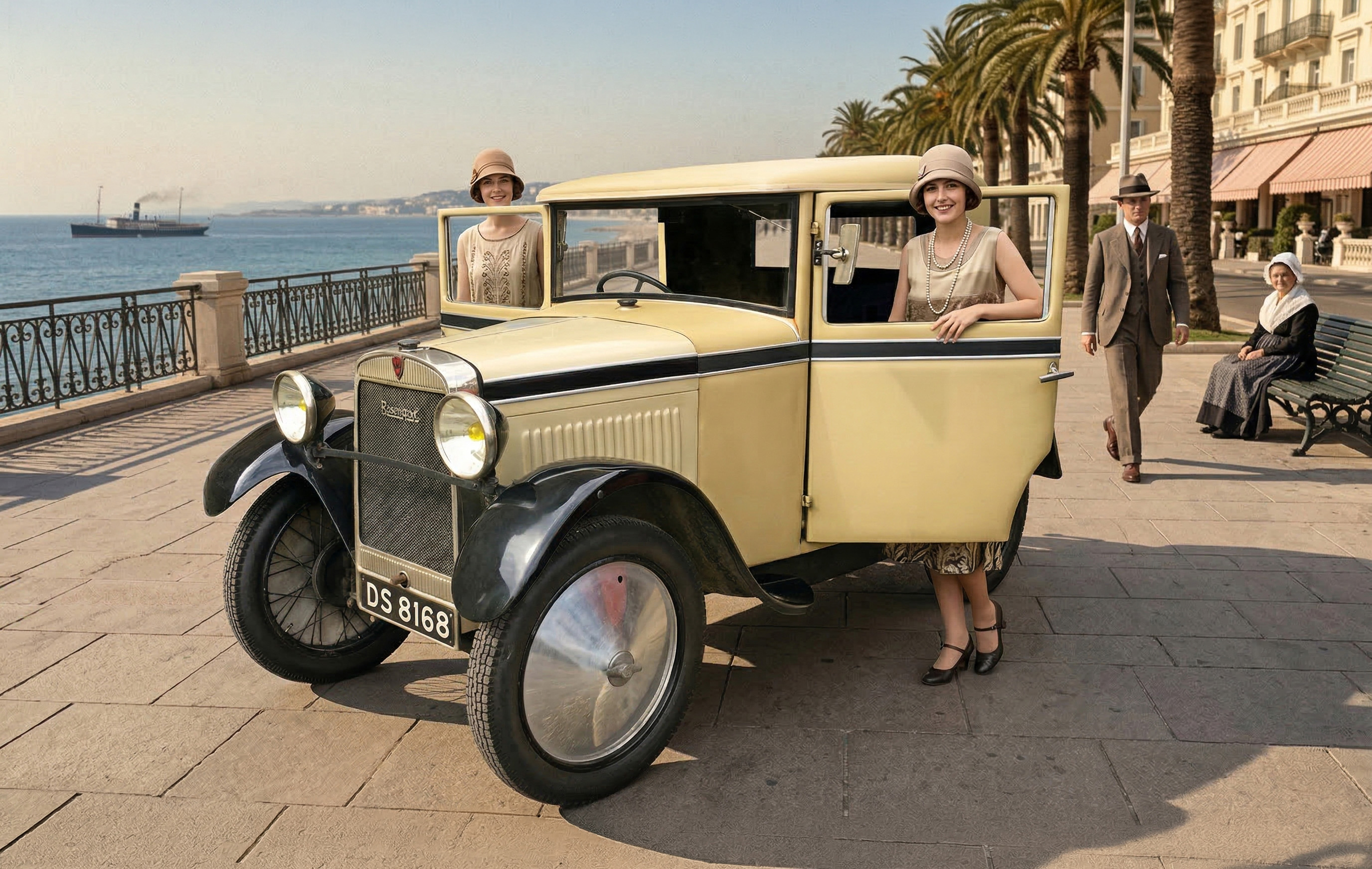
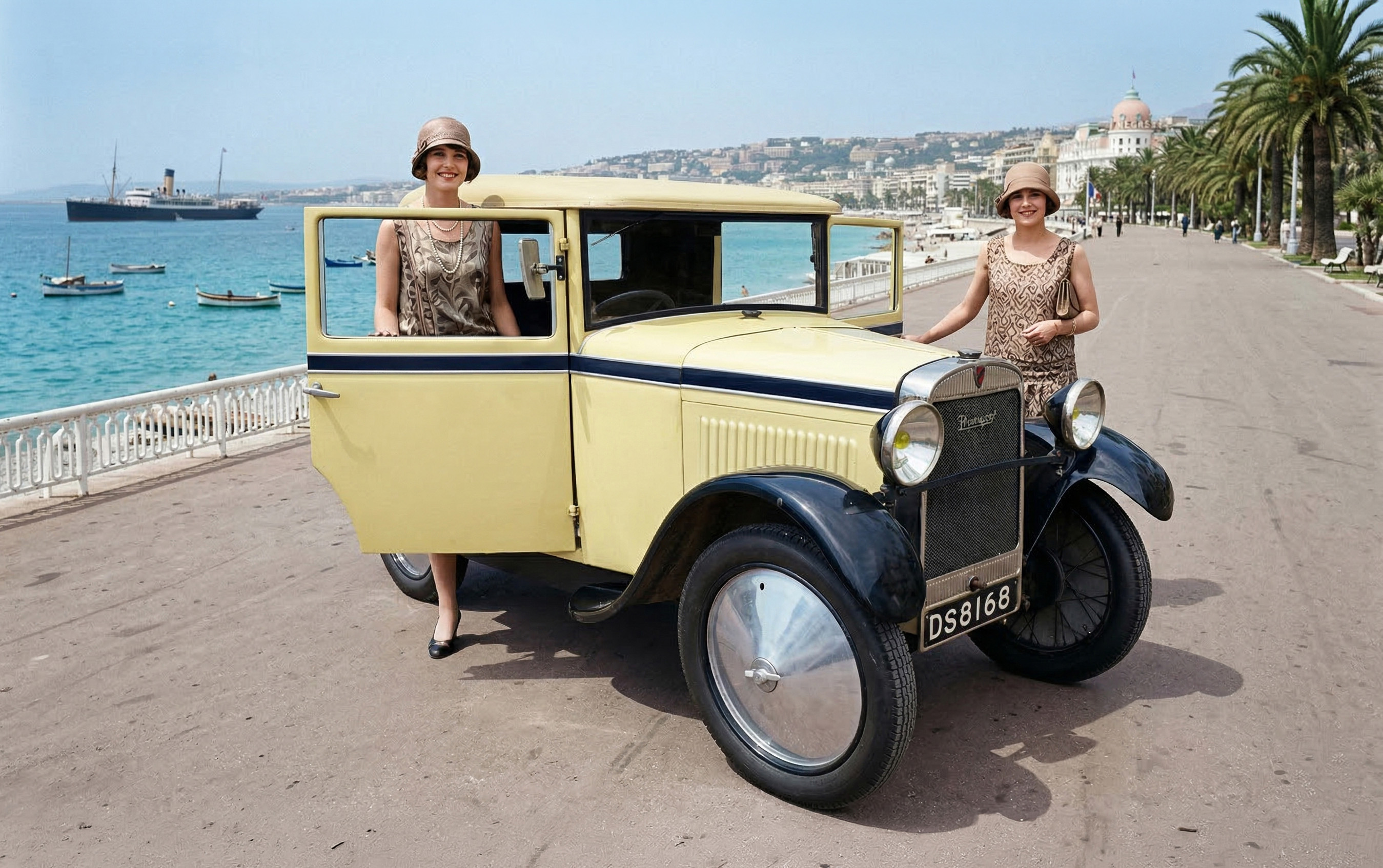
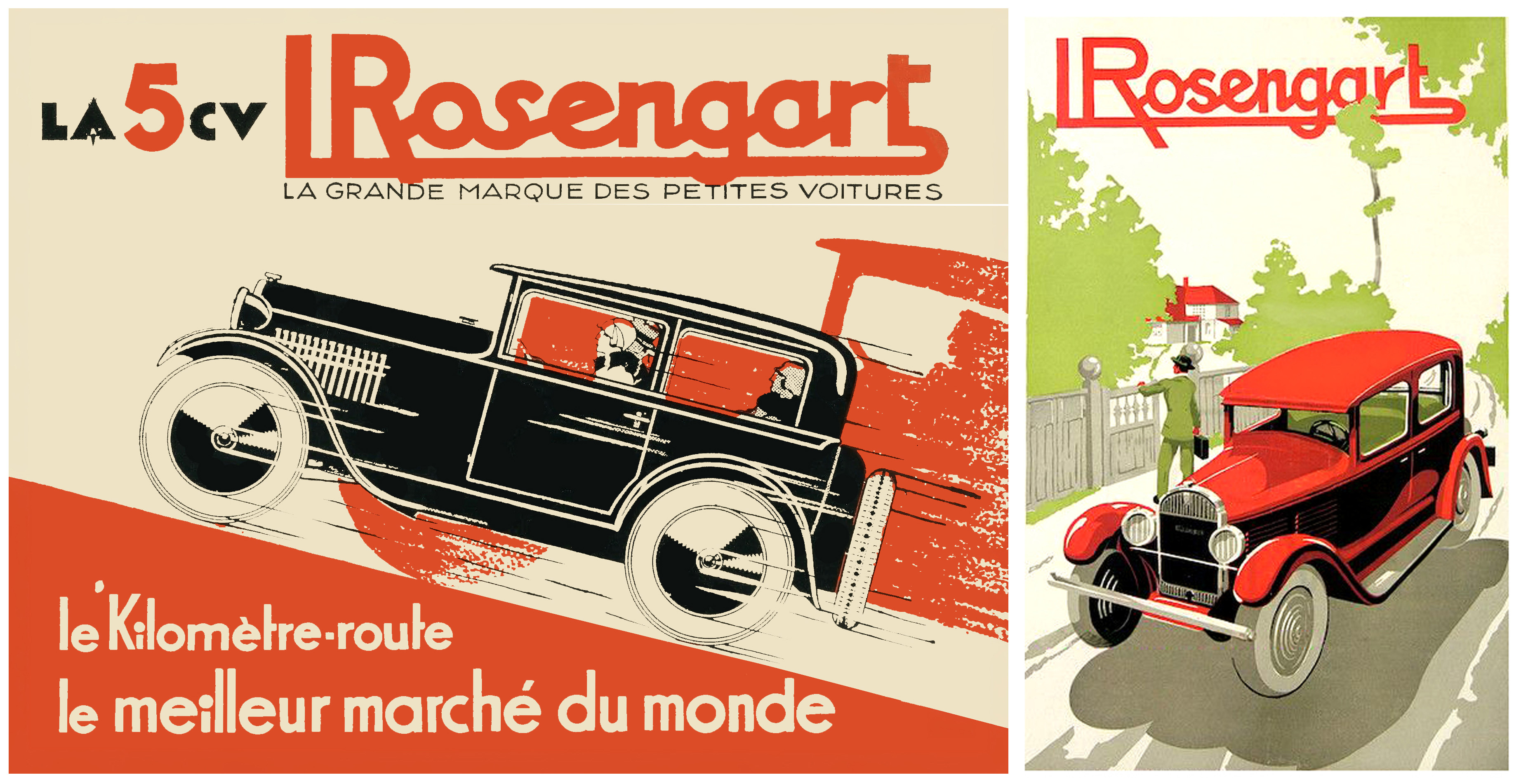
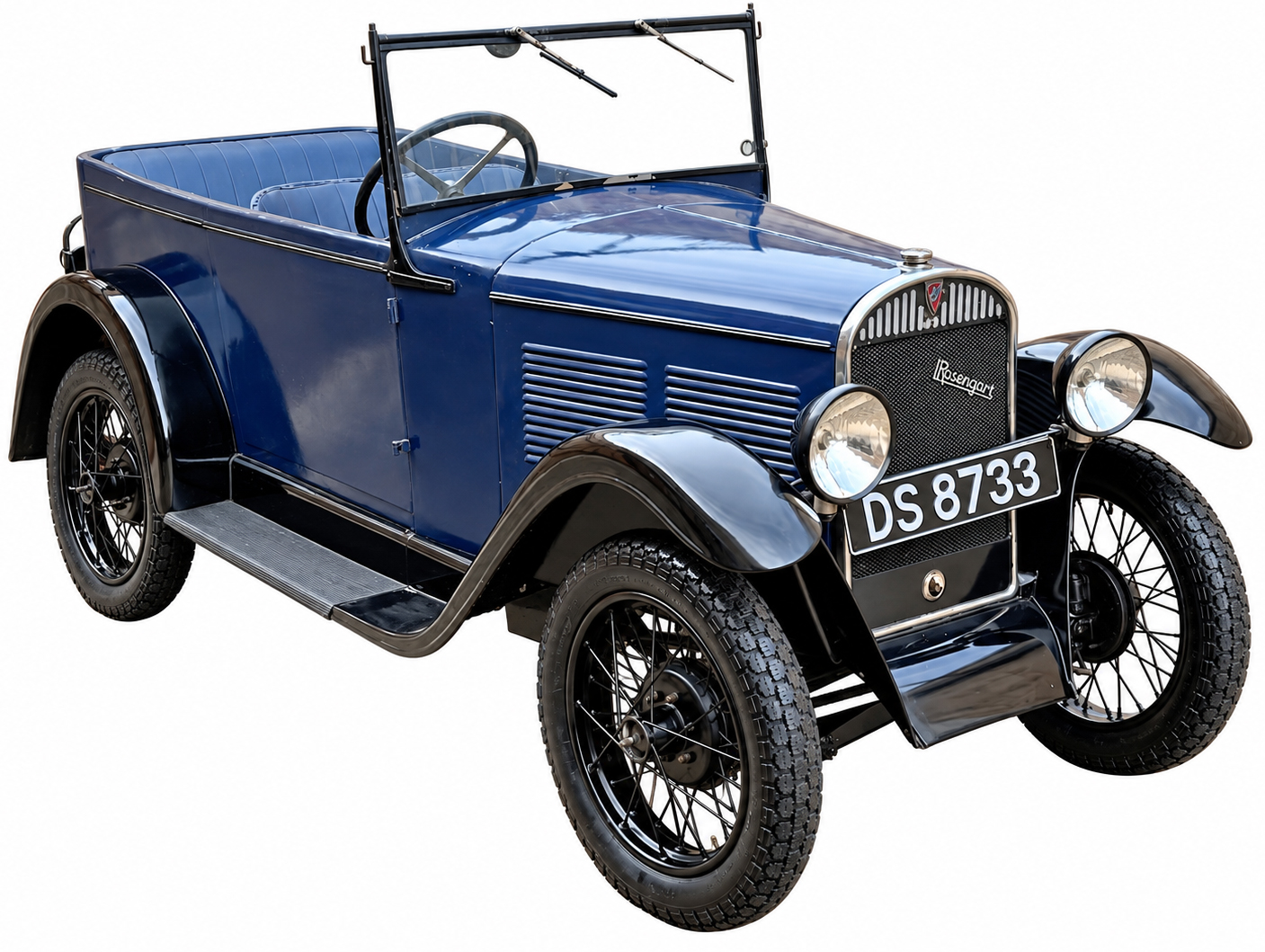
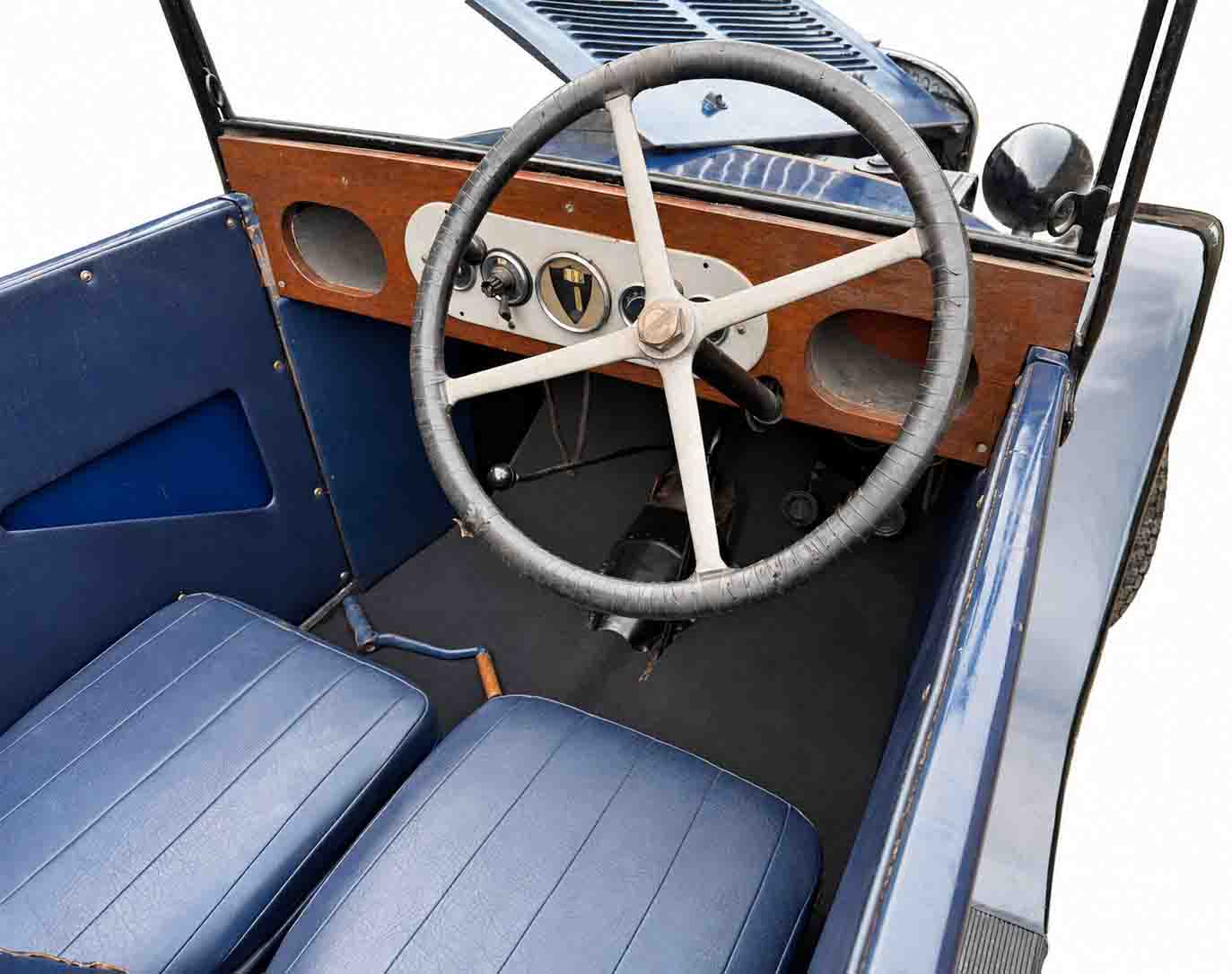
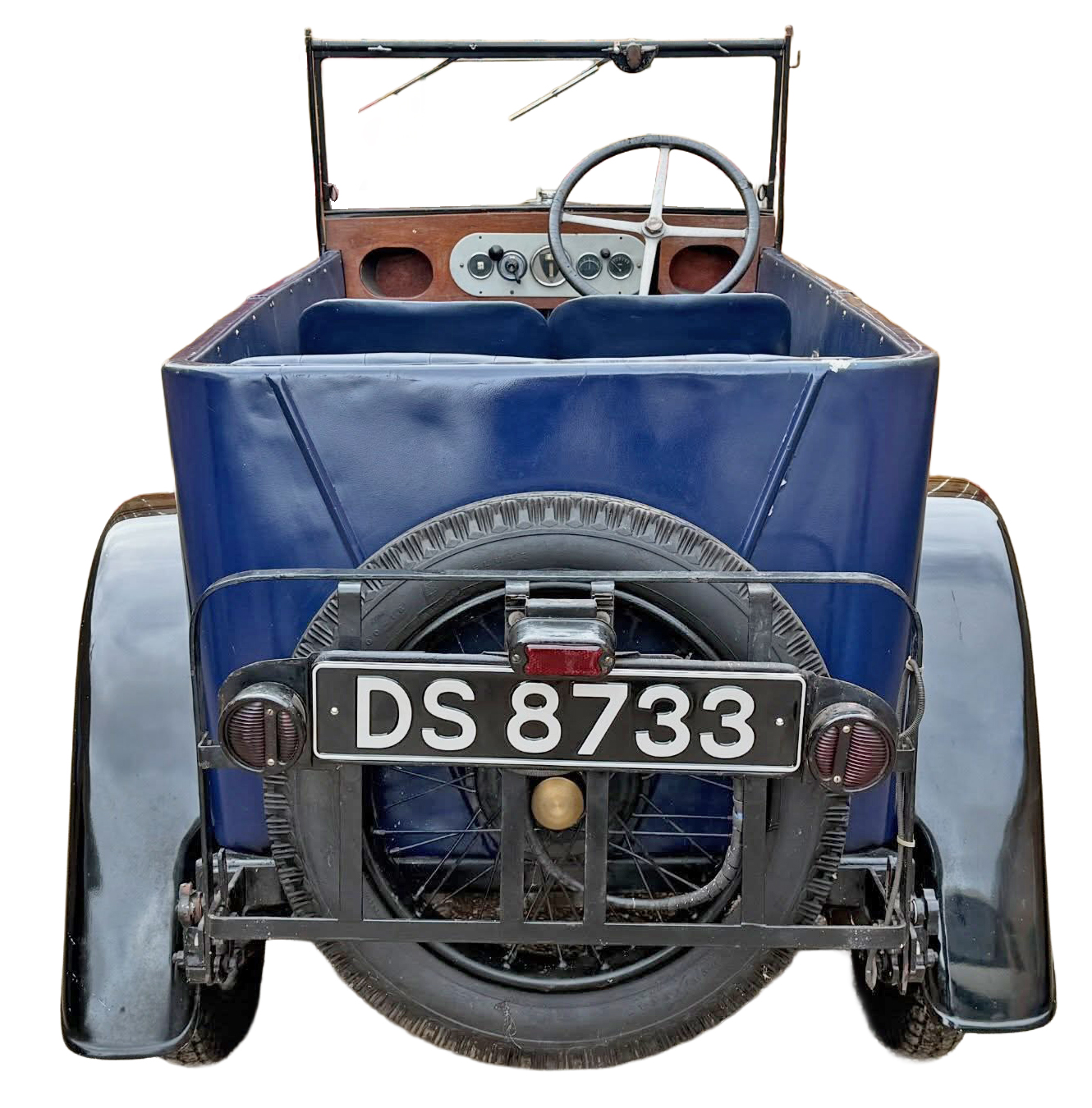
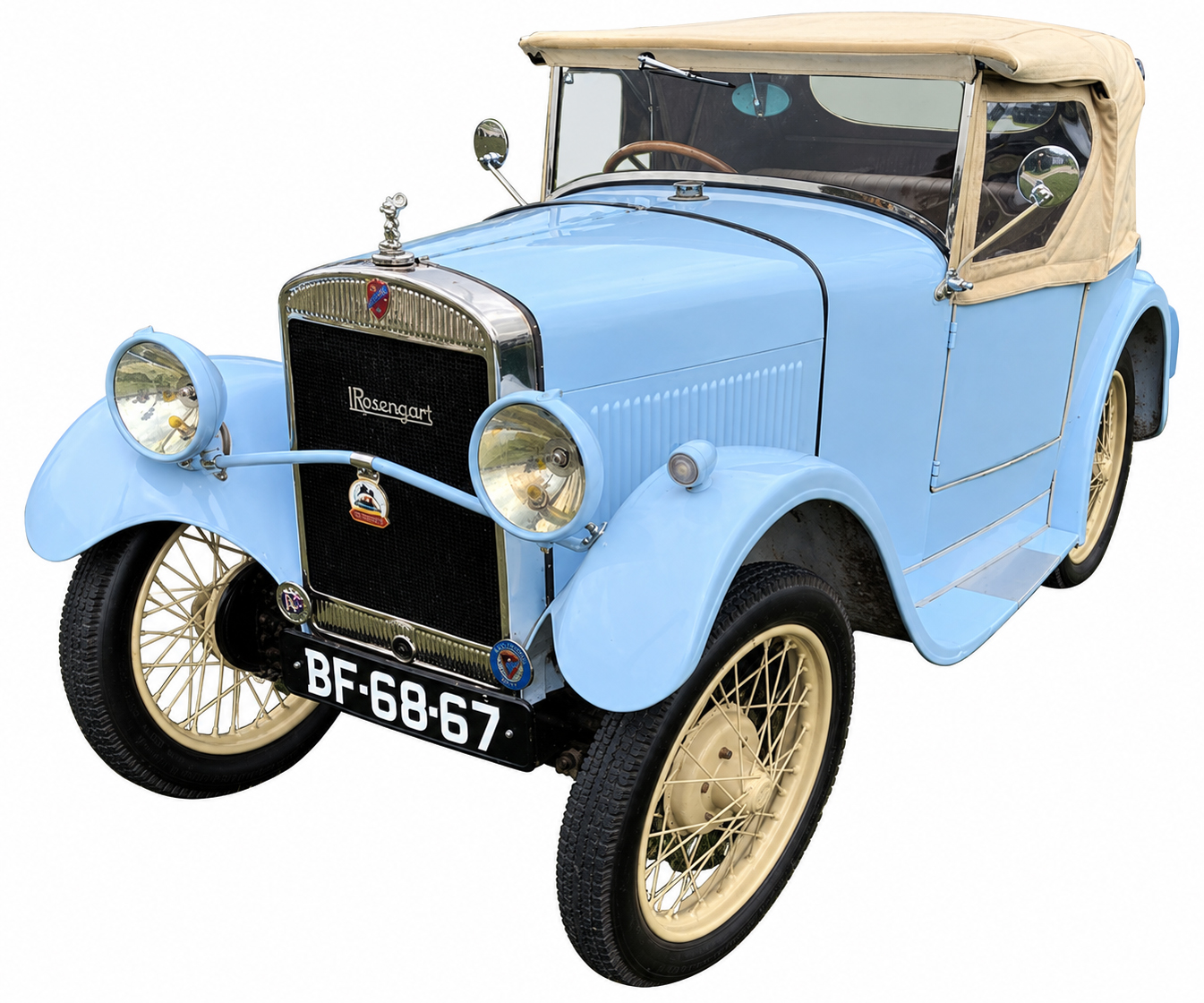
Assembled by June 1928, the first 100 French cars were fitted with bodies designed and manufactured in-house; given the Model description L.R.1, they were rated at 5CV, meaning 5 fiscal H.P. under the French vehicle taxation system. Full production, using locally built chassis, engine and transmission parts, began in late 1928 with the car unveiled on the 4th of October 1928 at the 1928 Paris Motor Show (officially the Salon de l'Automobile.
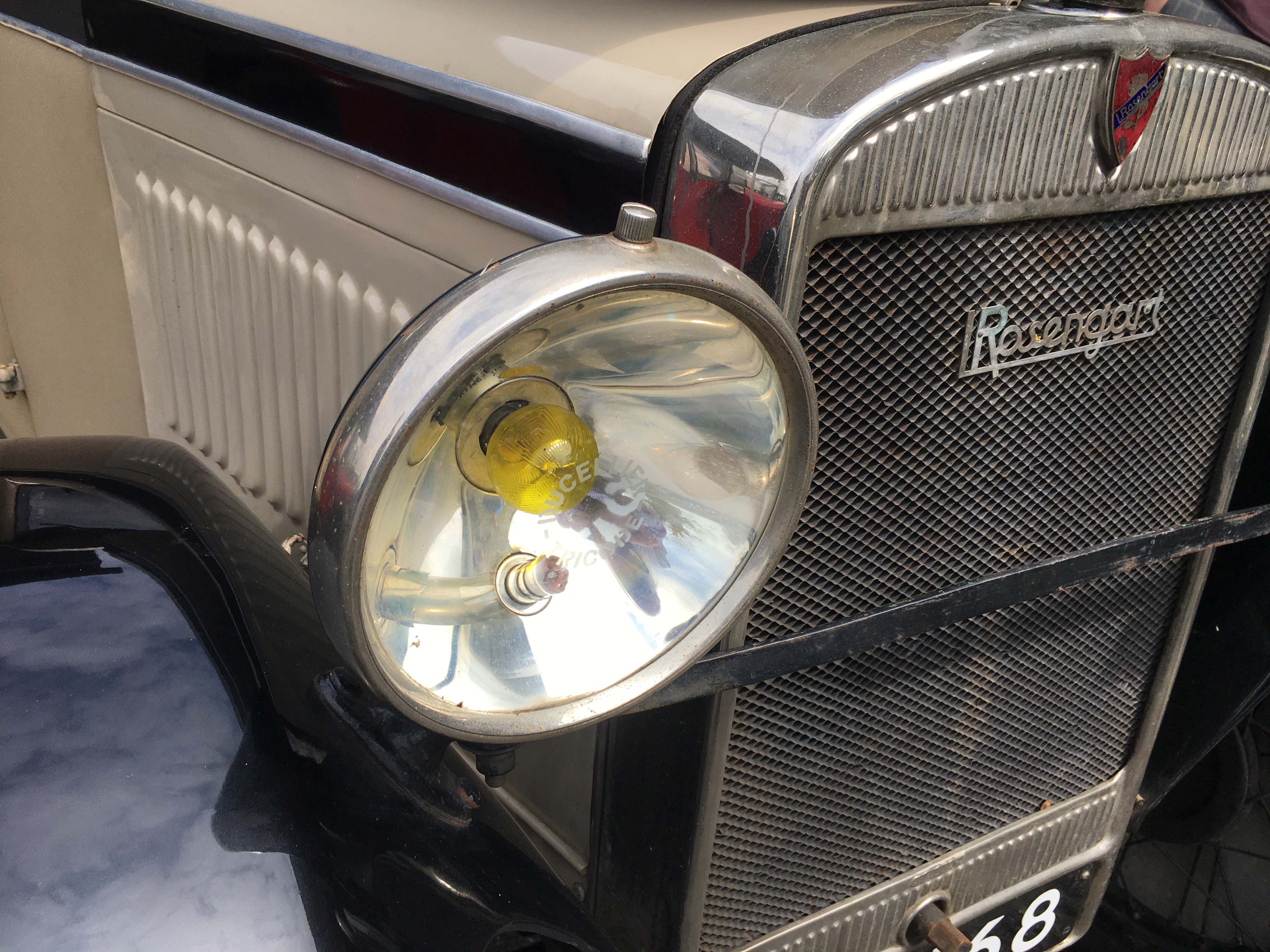
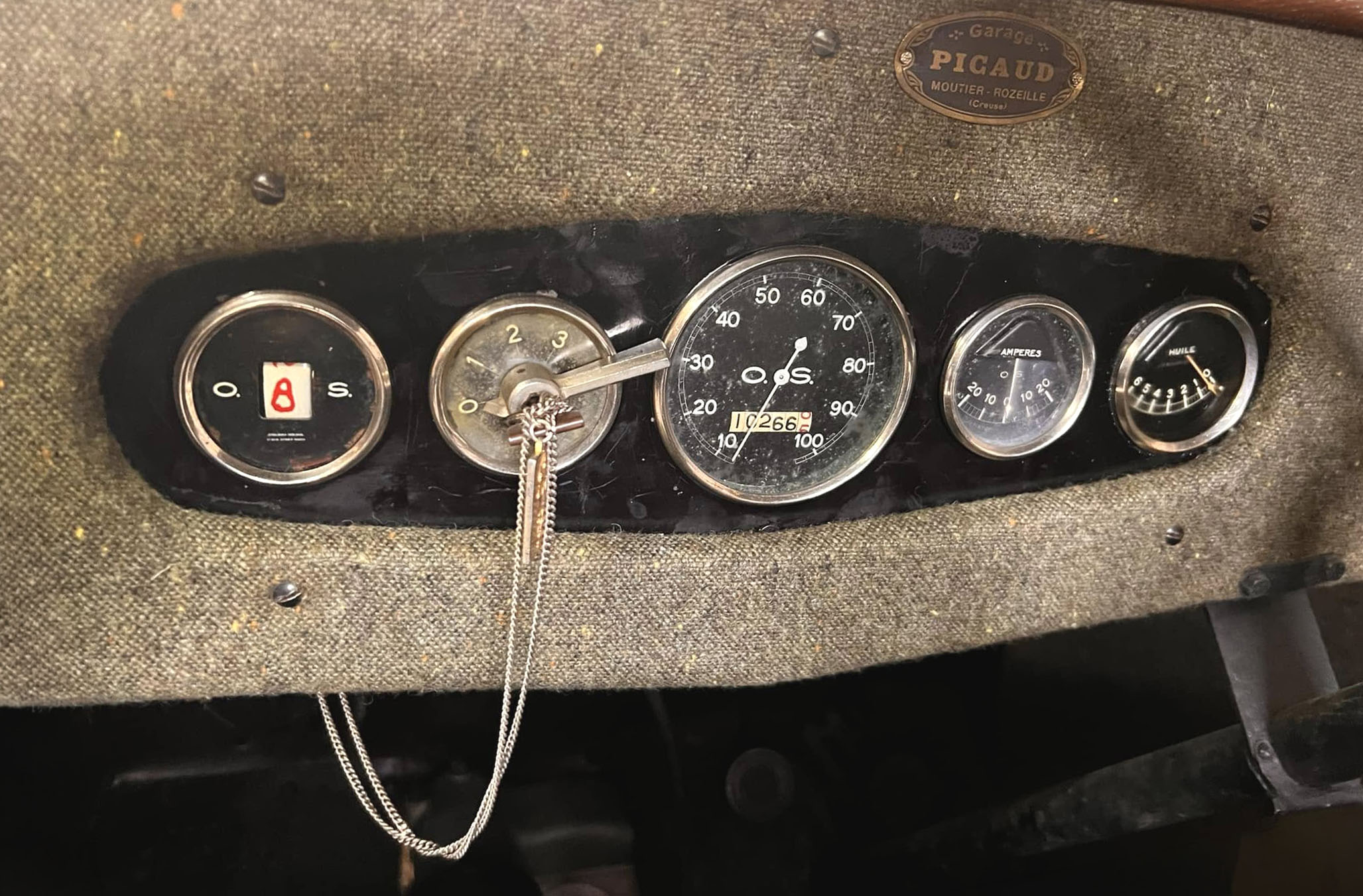
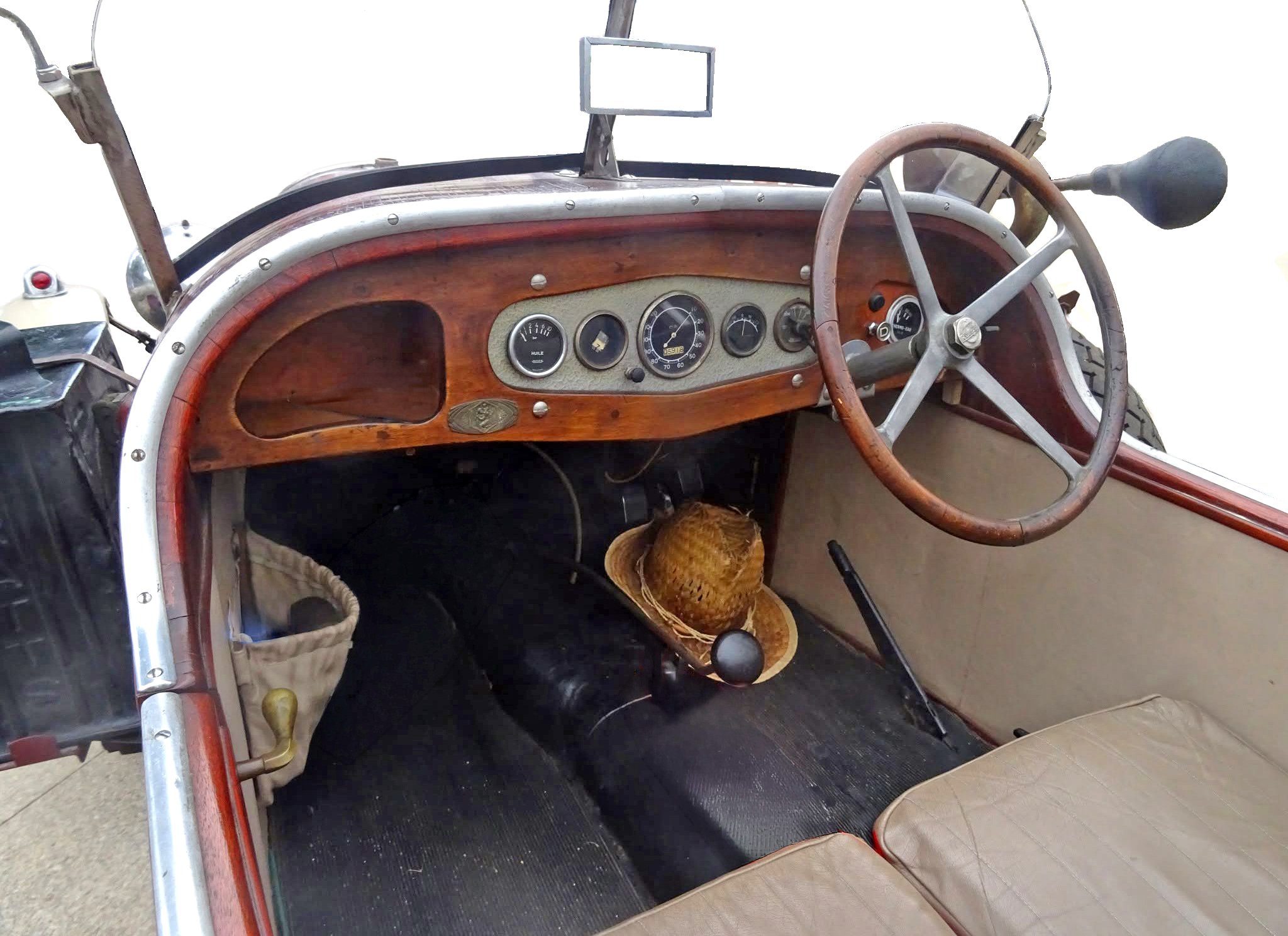
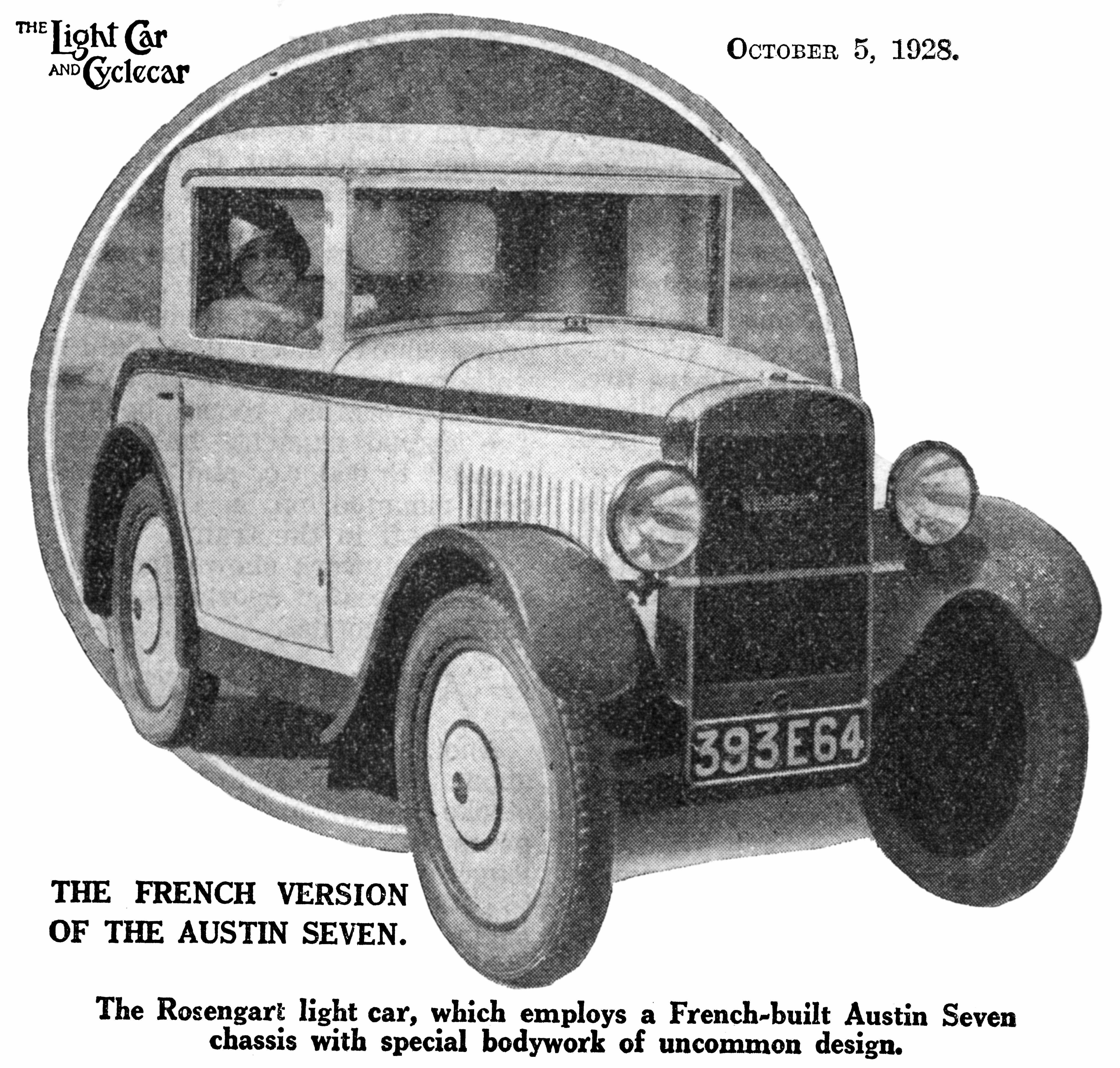
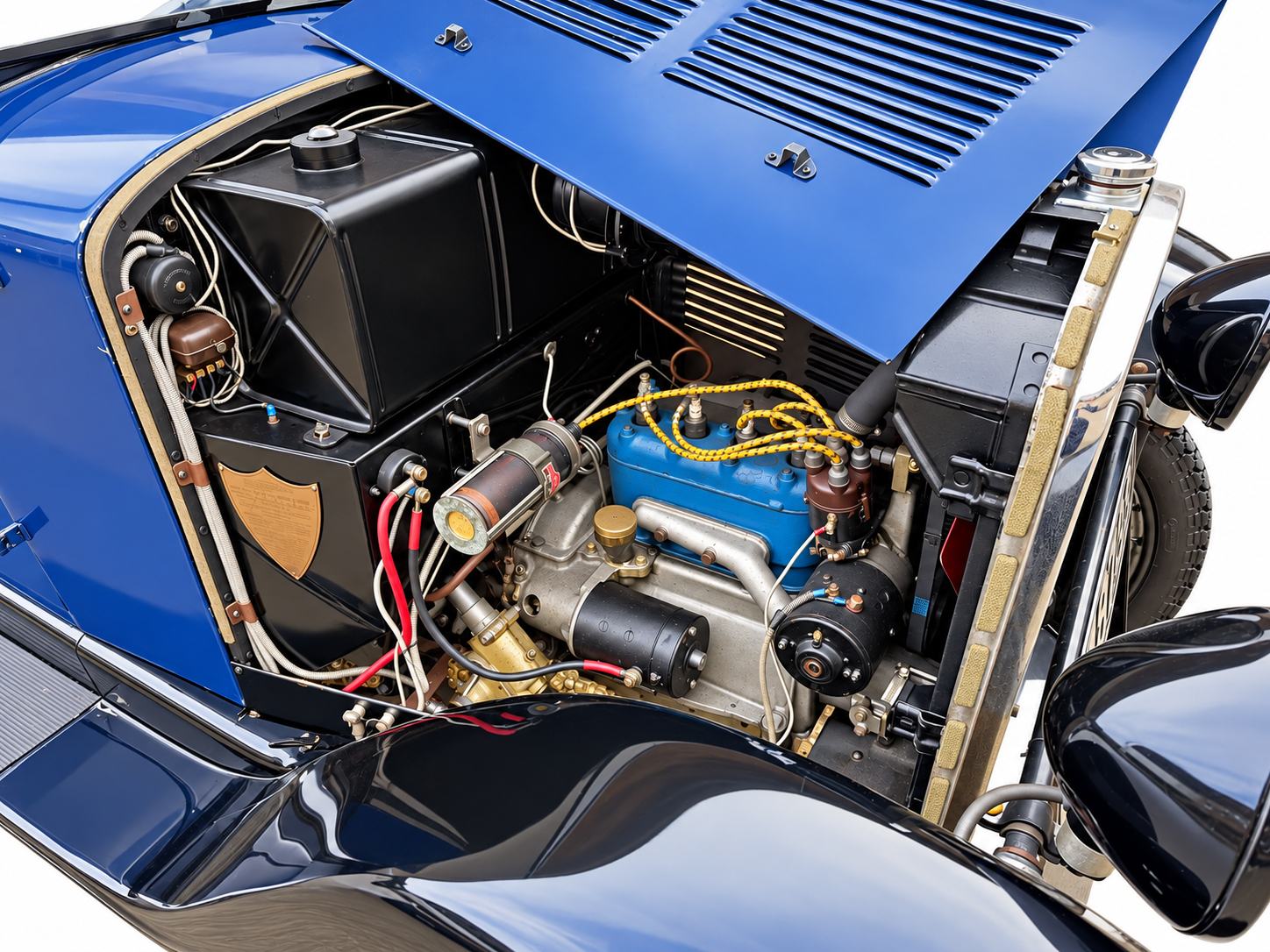
The first announcement of the car in the UK appears in a single picture, with no accompanying text, in the Light Car and Cyclecar Magazine the following day, 5 October 1928. The picture showed an LR1 fitted with disc wheels, though early examples are believed to have had exposed wire wheels with the centres stamped LR. One must assume the picture was issued for publicity and may have shown a car in development. Examples of this early model have been seen with an engine that, at first glance, looks Austin but has subtle differences, including metric fastenings, the fan spindle, Dulcellier electrics, a different water manifold, and "Rosengart" vast into the crankcase. If the first 100 cars were supplied as knock-down kits ready for bodywork, Rosengart must have been quick to manufacture their own engine.
As soon as full production began, the company made further design changes, including all-metric fittings, coupled 4-wheel brakes, and minor engine modifications. In the following months, the changes became even more radical until, just two years later, the Light Car & Cyclecar Magazine, in its October 10th, 1930 issue, published a photograph showing what was not announced as, but must have been, the new and very different LR2. At the time, motor manufacturers commonly promoted the next year's models at autumn motor shows, usually in October. The illustration showed a chassis and engine in which not a single component appeared unchanged. The rear axle was of a new Rosengart-designed and manufactured type with the chassis extended at the rear and fitted with semi-elliptic springs. These measures increased the wheelbase from 75 to 86.6 inches and the car's weight-carrying capacity. Since the engine is not recorded as more powerful, performance must have suffered. While it was perhaps adequate for owners living around Dunkerque and Lille (the area essentially an extension of the Lowlands), it would have been less so for those in Alpine pastures. The Cheese-making family from Hauteluce - mother, father, two children, and the just-squeezed-in, well-fed pair of grandparents - might have found their weekly delivery to the nearby market town of Beaufort-sur-Doron somewhat hard going.
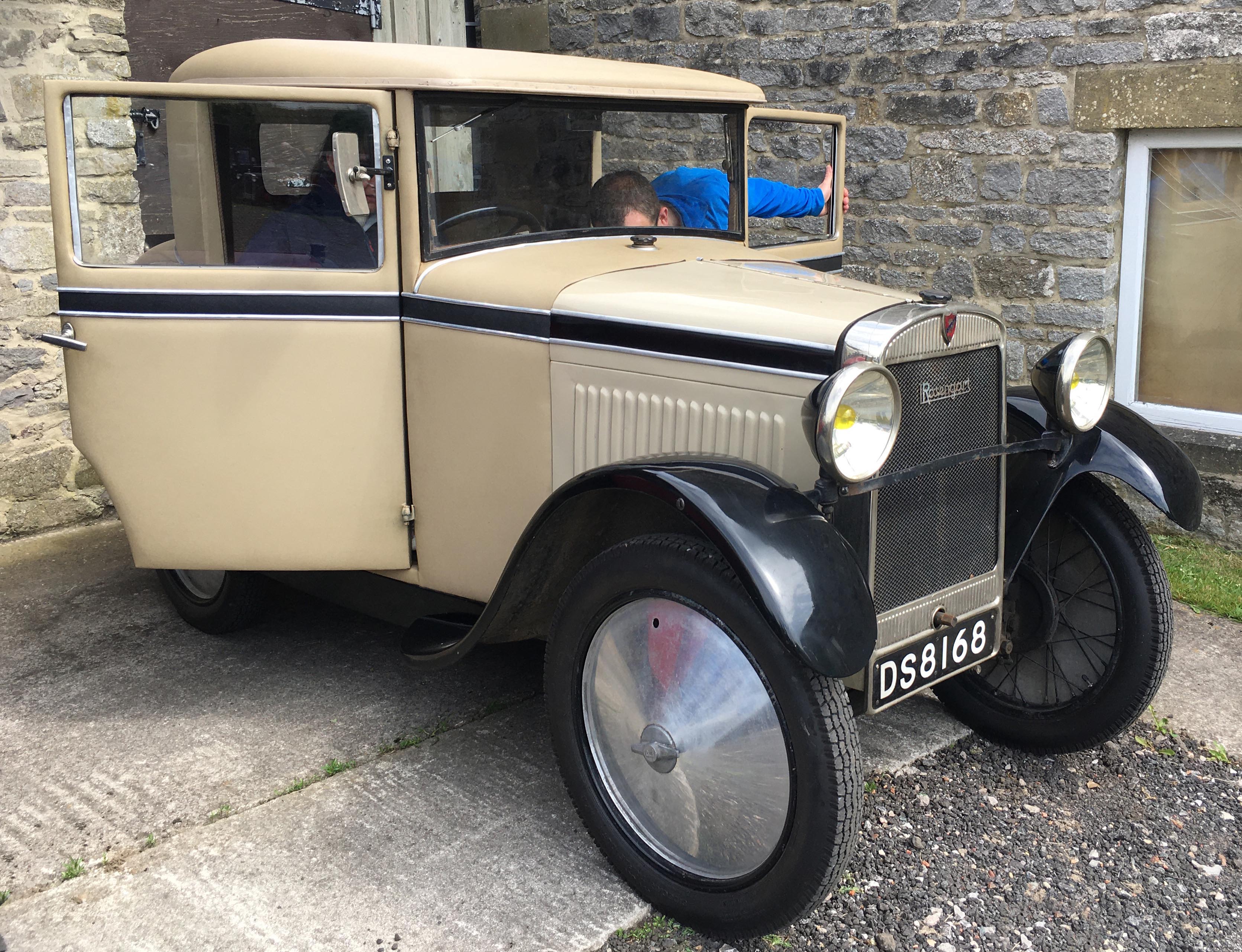
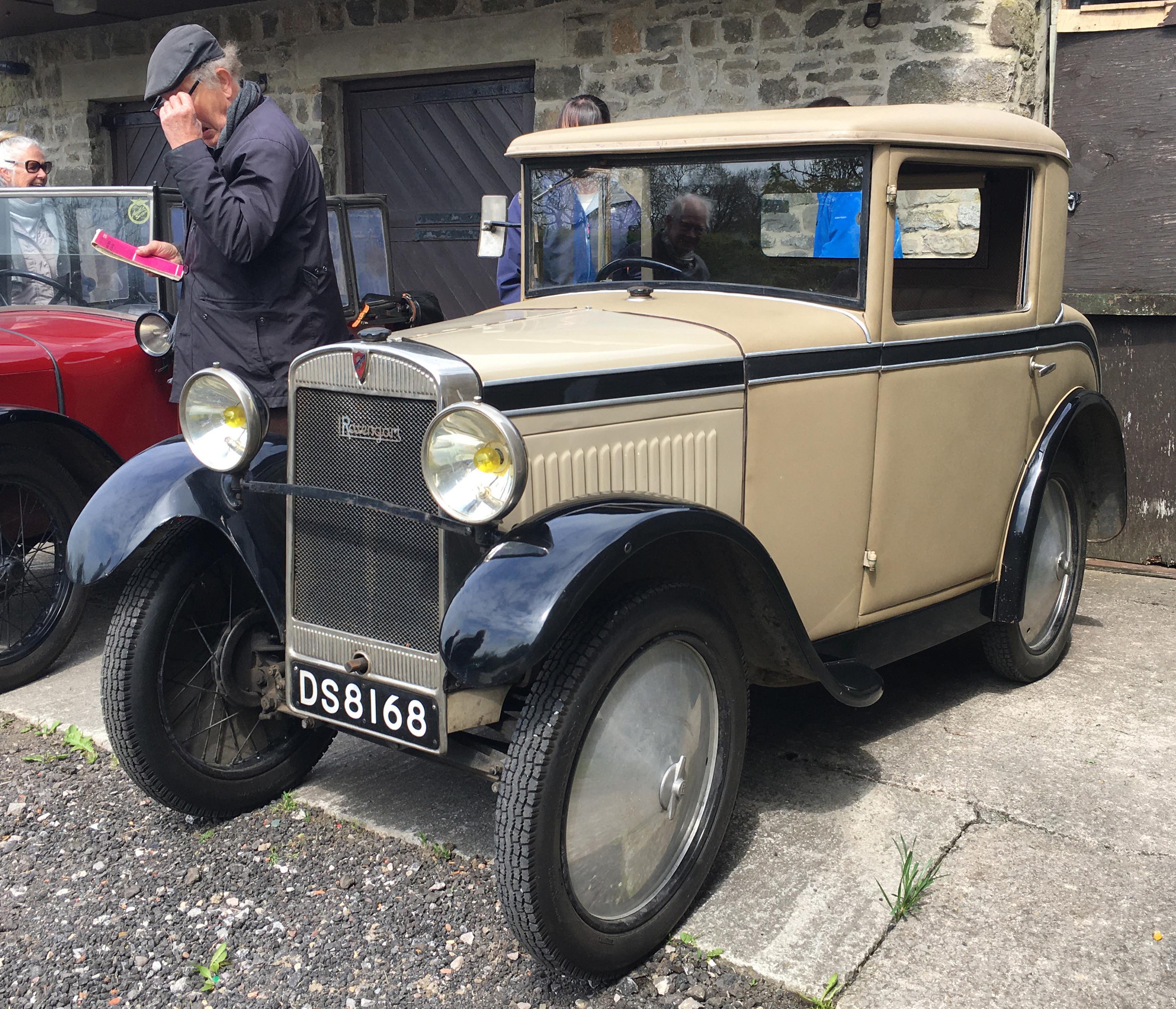
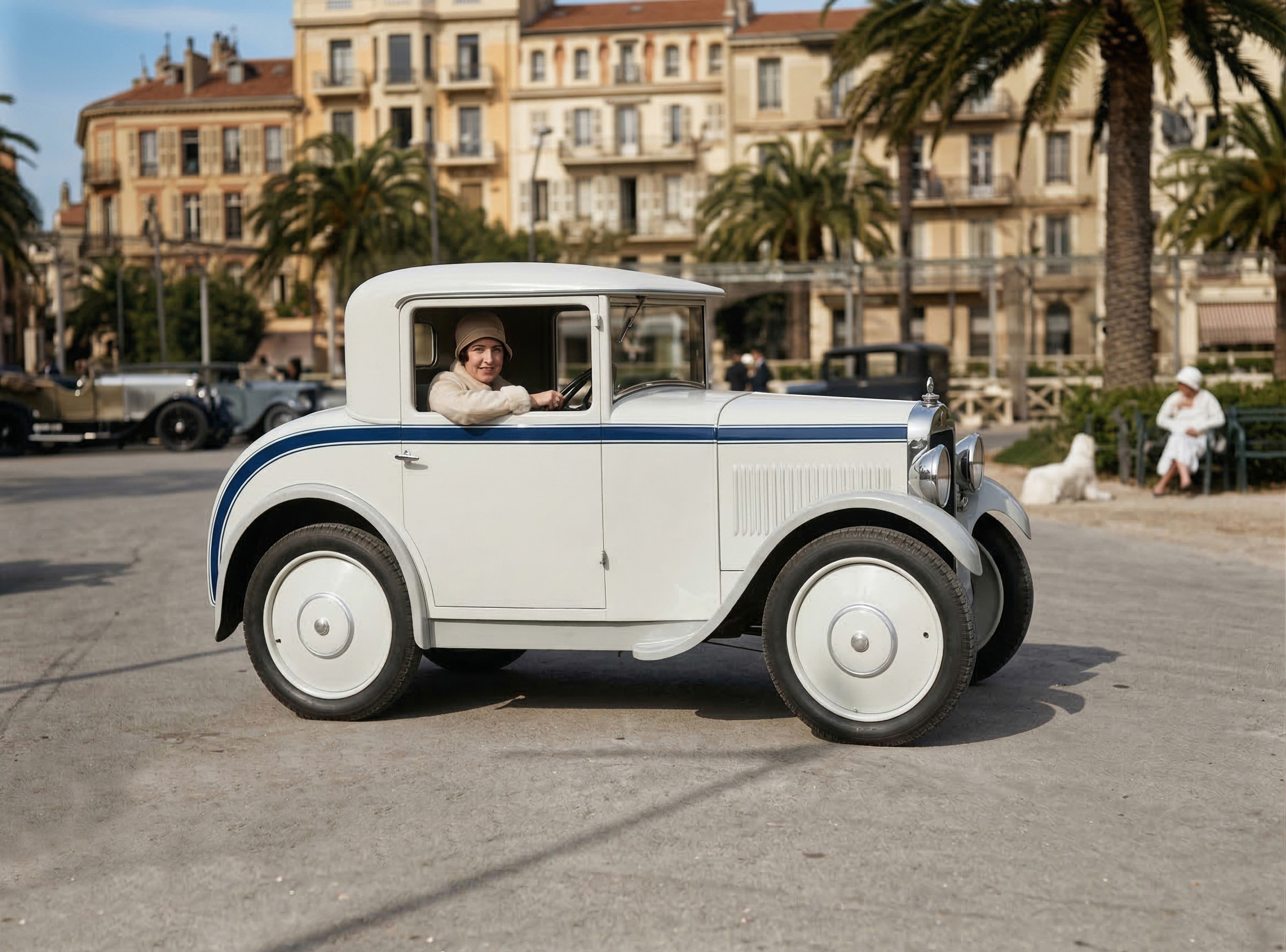
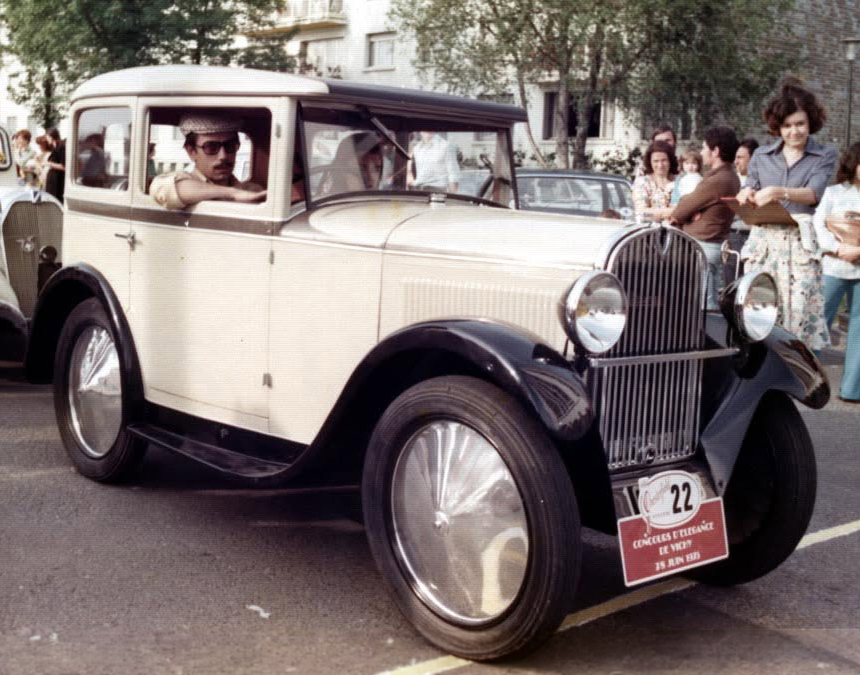
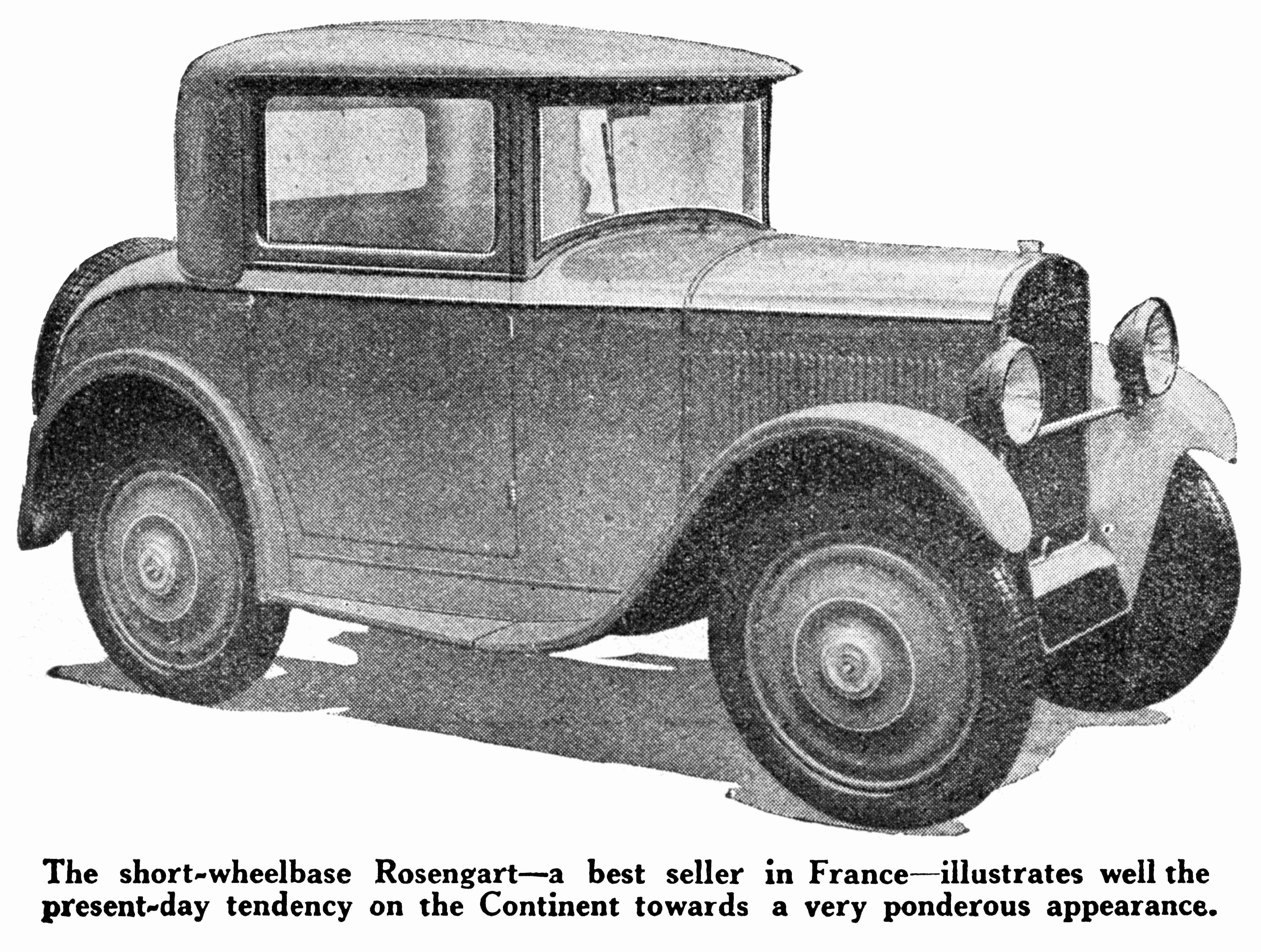
By 1930, some 11,000 Rosengarts had been sold, available as a Cabriolet, a Coupé, a Two-seater, a Van, and a Saloon. The panelling was steel over an ash frame (English Sevens were either aluminium or fabric-covered), and all had full aluminium discs over their otherwise standard spoked wheels.
During the 1930s, the range was further extended from 1933 onwards with an ambitious programme that included the LR44 Saloon and a cabriolet, both on a 90.5-inch wheelbase, as well as a range of commercials on an even longer 102.3-inch wheelbase.
At this point, the cheese maker from Hauteluce might have expanded his business by trading in his LR2 for one of the new LR45 "Commercial Rural" six-window saloons, with a rear body section designed to appeal to the travelling salesman. He might even have chosen the 'Fourgon' (or 'Fourgonette' in French, a 'light delivery van'), a vehicle fitted with a roll-up canvas rear that allowed it to be converted into a miniature shop, something that would have allowed him to expand his trading radius by frequenting extra local markets.
These later models, still identifiable as based on the English Seven, lasted until 1935, when the much-modified, more modern-looking "Supercinq" replaced them.
|
|